

The Role of AI in Modern Travel – Present and Future Insights
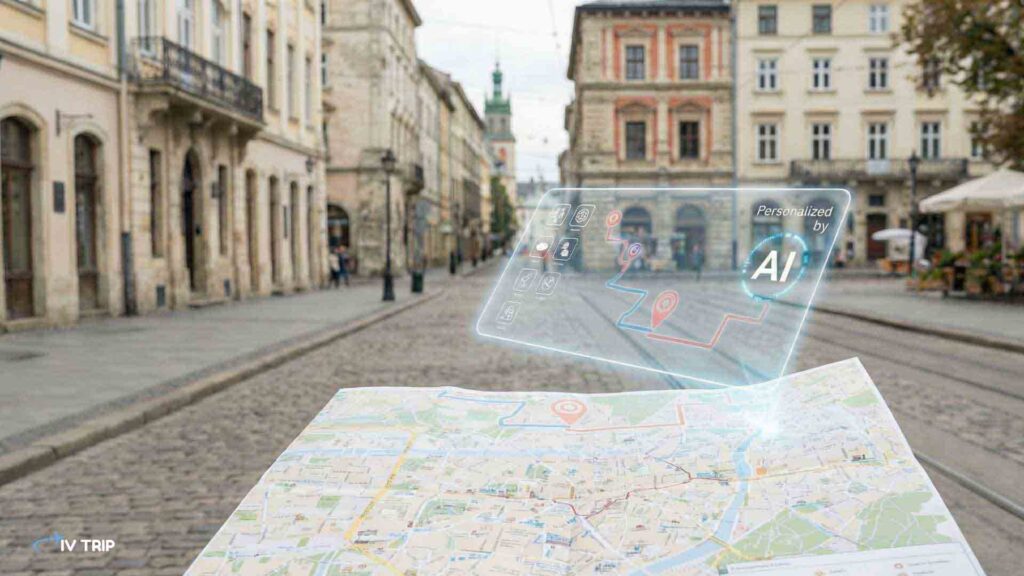
In today’s fast-evolving travel industry, Travel Agency Automation and AI-driven technology are transforming how trips are planned, booked, and experienced. From the moment a traveler dreams of a vacation to the day they return home, intelligent systems are at work behind the scenes—analyzing data, personalizing offers, and automating tasks.
Travelers now expect instant answers, tailored recommendations, and seamless journeys. This means travel companies must modernize: embracing AI tools like chatbots, predictive pricing, and itinerary generators. These systems free agents to focus on high-value service while handling routine tasks automatically, boosting both efficiency and customer satisfaction.
As a result, travel agencies worldwide are adopting software platforms (such as Implevista’s IV Trip) that integrate AI and automation to stay competitive and delight customers.
In this article, we explore how artificial intelligence is changing travel today and how it will shape the future of travel technology. We’ll look at current uses—like personalization, chatbots, and dynamic pricing—and peek into upcoming trends, from generative AI planning tools to sustainable travel solutions.
Along the way, we’ll highlight how modern travel agency automation solutions harness AI and big data to power better experiences. Read on to understand the present state of AI in travel, learn about emerging innovations, and see how your agency can prepare for a smarter, more automated future.
Travel Agency Automation: AI in Today’s Industry
Travel agencies have long relied on software for bookings and accounting, but the new era is about intelligent automation. Travel agency automation means more than just digital bookings – it means using AI to automate tasks, personalize services, and optimize operations end-to-end.
For example, modern booking platforms can automatically generate quotes, manage complex itineraries, and update availability without human intervention. Implevista’s IV Trip system, for instance, uses AI algorithms to handle day-to-day tasks that used to be manual.
- What is automated? Today’s AI-powered systems automate routine processes: updating flight and hotel inventories, issuing tickets, sending reminders, reconciling payments, and even generating marketing content. When a client books a flight, the system can instantly sync that booking across all channels and trigger related actions (like reserving a hotel or adding a car rental) with no human touch.
- Why it matters: By automating these tasks, agencies eliminate errors and delays. Staff no longer waste time on paperwork and can focus on helping customers and designing creative travel packages. This automation directly contributes to faster service and lower costs.
- Industry statistic: One study notes that AI technologies could automate up to 85% of travel industry customer interactions by 2030. Put simply, most of the routine work (common queries, simple bookings, basic ticketing) can be handled by machines. That frees human agents for just the 15% of cases that truly need personal attention – complex itineraries, special requests, or last-minute irregularities.
Travel software vendors are bundling more AI features into their solutions. For example, in the features list of many travel agency management systems (like IV Trip), you’ll find built-in marketing automation, dynamic pricing engines, and automated itinerary planning.
These tools work together to ensure that from end-to-end your agency is operating smoothly and efficiently. That’s the essence of travel agency automation today: smart systems that think for you, reducing manual overhead and improving client experiences.

AI-Powered Personalization and Customer Experience
One of the most transformative roles of AI in travel is personalization. Modern travelers demand trips tailored to their interests, and AI makes this possible at scale. By analyzing vast data (booking history, web searches, reviews, loyalty accounts, even social media likes), AI systems can learn what each traveler prefers. The result is a more personal journey from start to finish.
For example, Implevista’s blog explains that AI-powered systems can propose custom itineraries based on a customer’s past trips and stated preferences. If a client often books beach vacations, the system might automatically highlight seaside resorts and water sports.
If another likes cultural tours, it will showcase historical museums and art events. This automated match-making dramatically cuts down the time customers spend researching and increases satisfaction, because the recommendations feel hand-picked for them. In fact, surveys show about 68% of travelers welcome AI-driven travel suggestions during their planning.
Key ways AI personalizes travel:
- Customized Recommendations: Machine learning engines sift through countless flight, hotel, and activity options to present only the most relevant ones. Over time, they learn from user behavior: skipping certain hotel types or favoring particular airlines, and then refining future suggestions accordingly.
- Dynamic Itineraries: Some AI tools can literally draft full travel schedules within seconds. For instance, generative AI chatbots can create day-by-day plans (see next section) based on budget, travel dates, and interests. Agencies using these tools can offer clients itineraries that are already organized when they reach out, making the agency look like a travel guru.
- Personalized Marketing: Automated marketing campaigns use AI to send targeted deals. If AI sees that a traveler has been looking at safari trips, it will email them a special safari package. If weather forecasts predict a rainout during a customer’s city tour, the system might proactively suggest indoor museum tickets or an extra night’s stay. All this happens by analyzing customer profiles and using predictive insights.
By powering personalized travel experiences, AI helps agencies build stronger loyalty. Travelers feel understood and valued when offers reflect their own preferences. According to McKinsey, companies excelling at personalization see up to 40% higher revenue compared to competitors. That means not only happier customers, but also a healthier bottom line for your agency.
Chatbots and Virtual Assistants: 24/7 Travel Support
Customer service is another area being reshaped by AI. Imagine a travel assistant who never sleeps: that’s essentially what AI chatbots deliver. These virtual agents can answer questions, make bookings, and handle routine requests instantly and around the clock.
- Instant Q&A: Travelers often have simple queries like “What’s the check-in time?” or “Can I change my flight?” A chatbot can handle these 24/7, whereas a human agent might only be available 9–5. This leads to lightning-fast responses and keeps customers happy. In fact, many agencies report that after adding chatbots, their average reply time shrinks from minutes to seconds.
- Booking via Chat: Today’s advanced bots are not just FAQ machines. They can process bookings right in the chat window. For instance, a chatbot integrated with a booking system (like IV Trip’s API) can offer flights and hotels as it chats. The user can confirm and pay without leaving the app. This seamless chat-to-booking flow means higher conversion rates: fewer customers abandon their search halfway.
- Multilingual 24/7 Help: Chatbots support multiple languages and operate across channels (website chat, WhatsApp, Messenger, etc.). So a traveler in Dhaka or Dubai gets the same instant help without waiting for local office hours. As one report notes, travel chatbots can resolve a large fraction of routine issues immediately, improving satisfaction.
Key benefits: AI-powered customer service saves time and money. Agencies free up staff to tackle tough problems, instead of answering the phone for simple tasks. Cost savings can be significant: one case study found an agency using IvTrip’s AI chatbot cut support costs by 35% while still resolving 90% of queries within minutes.
Moreover, bots collect data on questions asked and common issues. This insight lets managers spot trends (e.g. many clients asking about a new visa rule) and adjust training or content accordingly. Overall, chatbots and virtual assistants have become a must-have tool for travel agencies aiming for round-the-clock, personalized customer care. They exemplify how AI delivers better service and efficiency at the same time.

Dynamic Pricing and Operational Efficiency
Beyond personalization and chat, AI is revolutionizing how travel products are priced and managed. Dynamic pricing engines use AI to optimize rates in real time. By continuously analyzing market factors (demand levels, competitor prices, seasonal trends, even weather and events), these systems can adjust prices to strike the ideal balance between occupancy and profit.
For example, if demand for Bali beach villas spikes during a local festival, an AI engine may raise room rates slightly, capturing more revenue. Conversely, if fewer people are booking midweek flights, it can drop prices to fill seats. The result is smarter revenue management and more competitive offers for customers.
In parallel, AI streamlines operations. Robotic Process Automation (RPA) and AI together can automate tasks like invoice processing, contract management, or sending itinerary emails. For instance, when a booking is confirmed, an AI module can automatically generate an itinerary PDF, send it to the client, update the CRM, and notify the finance team—all without manual work.
This level of automation reduces errors and speeds up workflows. Agencies using these tools report that employees can then focus on creative tasks (like crafting unique tour packages) rather than repetitive data entry.
Key point: Combining dynamic pricing with automated operations means a travel agency can respond to market changes instantly and operate 24/7. When an agent is off-duty, the AI system is still updating pricing, sending reminders, and processing requests. This leads to better resource utilization and ultimately higher profits.
AI-Powered Travel Planning Tools
Artificial intelligence is also changing the traveler’s planning experience through powerful planning tools. Generative AI models (like ChatGPT, Google Gemini, and travel-specific bots) can now craft detailed itineraries in seconds. These tools understand natural language prompts and vast travel data, allowing them to produce day-by-day plans tailored to a traveler’s profile.
For example, ask an AI assistant: “Plan a 5-day vegetarian trip to New York City starting next Monday” – and it might immediately generate an hourly itinerary, including museum visits, lunch at recommended vegan restaurants, subway directions, and tickets. The University of South Florida reports that even with some risk of errors, travelers trust these AI planning suggestions and use them as a starting point.
These AI “co-pilots” accelerate planning dramatically. As The Points Guy notes, specialized AI travel planners (e.g. Guide.com) can halve the time agents spend on trip planning and client communication. This frees advisors to take on more clients or focus on truly custom requests.
Crucially, AI planners can also integrate loyalty program information and preferences. They might know that you have Delta miles and suggest Delta flights or that you often upgrade to business class, automatically incorporating such choices into the itinerary.
Key features of AI planning tools include:
- Instant Itinerary Generation: Given a user’s constraints, AI can output multi-day schedules, list of must-see attractions, and tailored recommendations (hotels, dining, activities) in moments.
- Language Translation: Integrated AI translators help plan trips in foreign countries by instantly translating reviews, menus or signs. This expands what travelers can consider.
- Collaboration: Some AI systems allow multiple travelers to build trips together, merging preferences from each person into one plan. (For example, family members can chat with a shared AI assistant that balances everyone’s interests.)
- Continuous Learning: AI remembers what users like or dislike. If a traveler often skips museum visits in favor of parks, the model will prioritize outdoor sights next time. Over long use, the personalization improves, making each generated plan more accurate for that person.
All this points to a future where “how we plan a trip” is itself automated. Instead of hours spent on Google searches, travelers can rely on AI as a research assistant and itinerary writer. Travel companies can embed these tools into their websites or apps, allowing clients to self-serve much of their planning. And for those still preferring human support, agents using AI assistants can quickly modify AI-generated plans rather than starting from scratch.

Emerging AI Trends in Travel Technology
Looking ahead, we see several future trends where AI and adjacent technologies will further revolutionize travel:
- Generative AI and Beyond: The rise of advanced generative models (text and even image/video based) will push personalization even further. For example, Google’s AI travel planner (Gemini) can suggest entire day plans and even book some services with minimal input. We may soon have virtual travel assistants that can “see” through travelers’ cameras (augmented reality), translate signage in real time, or provide live narration of nearby sights. These capabilities could be integrated into travel apps or AR glasses, guiding a tourist through a city with AI narration.
- Sustainability and Smart Planning: AI will help travelers make greener choices. As Reuters reports, airlines (like IAG’s British Airways) use AI to optimize flight paths and reduce contrails, cutting emissions. AI-driven maintenance predicts aircraft issues before delays occur, saving fuel wasted on holding patterns. On the ground, hotels use AI (with smart bins and sensors) to cut food waste and energy use. Future travel apps might highlight eco-friendly hotels or suggest train journeys when carbon output is a concern, all powered by AI data analysis.
- IoT and Smart Devices: The Internet of Things (IoT) will combine with AI. Imagine a smart suitcase that tracks itself via IoT GPS, while AI maps your bag’s location to flight information, sending alerts if it’s left behind. Wearables (like smartwatches) will send biometric data to AI systems that can adjust a trip (suggest more rest if it senses fatigue). In smart hotels, room environments will adapt through AI – the room knows your temperature preference and charges your phone wirelessly as you sleep, automatically. All this is part of the seamless, personalized future that AI and IoT promise.
- Robotics and Automated Transportation: Some airports already use robots for cleaning or customer guidance. In the future, we might board AI-piloted airport trams or face facial-recognition gates. Autonomous vehicles could handle last-mile transport for tourists. While still emerging, these AI-driven systems will make travel even more hands-off.
- VR/AR Travel Experiences: Augmented Reality (AR) will be an integral travel tool. For instance, AR apps will let history buffs see a ruined palace “restored” on their phone screen as they tour it. Virtual Reality could allow travelers to sample destinations beforehand, or explore museums remotely. AI will personalize these AR/VR experiences by knowing what each user enjoys, overlaying custom information (e.g. highlighting art pieces based on the visitor’s past likes).
- Generative Itinerary Collaborators: Beyond basic planning, generative AI might soon co-create experiences. For example, it could suggest surprise elements (a private city tour, a special meal) based on the traveler’s profile. It could even negotiate with local vendors (some platforms are testing AI bargaining bots). These advanced interactions will make travel planning more dynamic and creative.
These trends reflect an overall shift: more personalization, more automation, and more data-driven decision-making. Travel companies that invest in AI and related tech now will be best positioned to offer these cutting-edge experiences tomorrow. As one industry report states, embedding generative AI into travel technology could soon be “non-negotiable” for competitive planning tools.
Business Impact and Market Growth
The rapid adoption of AI in travel is also creating a huge market opportunity. Several forecasts highlight this growth: Grand View Research and others predict the global AI travel market will exceed $1.2 billion by 2028, with a CAGR around 16%. In other words, agencies and airlines investing in AI solutions now are tapping into a booming segment.
Why are companies investing? The benefits are clear: faster operations, higher conversions, and happier customers. Here are some concrete payoffs seen by early adopters:
- More Revenue per Customer: Personalization drives bookings. Agencies using AI see customers spend more because they receive relevant upsell suggestions (like add-on tours or insurance). For example, when a chatbot completes a flight booking, it can immediately recommend a hotel upgrade or excursion in-app. These AI-driven upsells can boost total sale value.
- Cost Reductions: Automation cuts overhead. Chatbots and automated processes reduce the need for large support teams. IV Trip notes that agencies have seen operations costs drop significantly after implementing AI features.
- Higher Satisfaction and Loyalty: Clients appreciate faster service. A travel firm reported a 40% jump in satisfaction after adding AI chatbots and dynamic pricing. Loyal customers mean repeat bookings and referrals. In competitive markets, this customer trust is gold.
- Competitive Edge: As one report points out, agencies with AI-driven systems operate “faster and smarter” than rivals. In a field where speed and customization can win clients, AI is a strategic advantage.
For individual travelers, surveys echo this enthusiasm: about 66% of travelers believe AI will make travel easier and more efficient (Statista), and younger travelers are already using AI tools daily. The Points Guy cites that roughly 40% of consumers used AI for trip planning in 2024, a number growing fast.
Importantly, AI adoption cuts across demographics: while tech-savvy Gen Z leads, even older travelers are embracing intuitive travel AIs as long as they are user-friendly.
In summary, the business case for travel agency automation with AI is strong. It unlocks new revenue through personalization, cuts costs via efficiency, and meets modern customer expectations. As the industry evolves, AI will be a core element of any serious travel agency software platform, and agencies that leverage it fully will be the clear leaders of the future.

Challenges and Considerations
No technology is without challenges, and AI in travel has its own set of concerns that agencies must address:
- Data Privacy and Ethics: AI personalizes by learning from travelers’ data, so privacy is critical. Agencies must ensure they collect data transparently (with consent) and secure it properly. Ethical use of AI means being aware of algorithmic biases. For example, the USF study notes that two people with similar trips might see different AI suggestions based on hidden factors (like age or spending habits). Travel companies need policies to prevent unfair biases (e.g. always favoring higher spenders, or excluding certain demographics).
- Reliability and Trust: AI tools (especially generative models) can sometimes “hallucinate” or produce incorrect info. Firms must build in fact-checks. For example, if an AI suggests a local attraction is open when it is actually closed, the agency must catch and correct that. This means human oversight is still needed. As The Points Guy reminds us, complex situations (family trips, emergencies) still require human judgment. AI should augment – not replace – human travel advisors.
- Technology and Cost: Adopting AI tools can require investment in technology and training. Smaller agencies might worry about costs and integration. However, many AI features are now embedded in standard travel software, lowering the barrier. Agencies should plan gradual integration: start with chatbots or recommendation engines before moving to full automation.
- Cybersecurity: More tech means more hacking risk. Travel companies must secure AI systems, since they often interface with payment and personal data. Secure AI platforms and regular audits are important.
- Regulation and Compliance: The travel industry is subject to regulations (data protection laws, consumer rights, etc.). AI systems must comply with rules like GDPR (if dealing with EU travelers) or local privacy laws. Also, emerging AI regulations (e.g. in the EU) may impose transparency requirements (explaining how AI makes decisions). Agencies should keep an eye on legal developments.
By acknowledging these challenges proactively, travel businesses can implement AI responsibly. Training staff, updating privacy policies, and starting with pilot projects are good practices. The goal is to leverage AI’s advantages while keeping the human touch and traveler trust intact.
The era of AI in travel is here, and Travel Agency Automation is the key to staying ahead. Whether you’re a boutique agency or a large tour operator, embracing AI-driven travel technology will help you offer better, faster, and more personalized services.
Ready to transform your travel business? Contact IvTrip today to learn how our cloud-based travel management software leverages AI for smarter bookings and customer support. Our solutions bring automation and personalization together in one platform.
Or explore our Travel Agency Management System – IV Trip (on Implevista) to see features like automated inventory updates and AI recommendations in action. Stay on the cutting edge by subscribing to our blog for more insights. Let AI be your agency’s co-pilot in delivering exceptional travel experiences!

FAQ (Frequently Asked Questions)
What is travel agency automation?
Travel agency automation refers to using software (often with AI) to handle routine tasks like booking flights, issuing tickets, sending itineraries, and managing customer inquiries. It streamlines operations so agents can focus on complex issues. Platforms like IvTrip integrate automation tools – including chatbots and dynamic pricing engines – to make agency workflows faster and error-free.
How is AI used in travel planning?
AI is used for personalized recommendations and itineraries. Generative AI models can instantly create detailed travel plans based on a user’s preferences and budget. AI analyzes past trips, search history, and location data to suggest flights, hotels, and activities that match a traveler’s interests. In essence, AI helps planners do in seconds what used to take hours of research.
What are AI chatbots in travel?
AI chatbots are virtual assistants that handle customer service via text or voice. In travel, chatbots answer questions (flight schedules, booking changes) and even complete bookings on the spot. They operate 24/7 in multiple languages and automate routine interactions, which improves response times and reduces the load on human agents. Chatbots enhance the customer experience by providing instant, personalized help any time.
How does AI improve personalization in travel?
AI improves personalization by analyzing large data sets about each traveler (past bookings, preferences, behavior) to tailor suggestions. For example, if AI knows you like beach holidays, it will highlight coastal resorts and beach activities. According to Implevista’s research, AI personalization can increase revenue because customers are more likely to book when recommendations match their interests.
What is the role of AI in dynamic pricing for travel?
AI-driven dynamic pricing adjusts travel costs (flights, hotels, tours) in real time based on factors like demand, competitor rates, and events. For instance, if a festival causes a surge in flight bookings, AI may raise prices to balance demand. Conversely, it lowers prices during slow periods to attract customers. This optimizes revenue for agencies and ensures prices are competitive and fair.
What are the challenges of using AI in travel?
Key challenges include data privacy and bias, technology costs, and the need for human oversight. AI systems rely on personal data, so companies must safeguard that data and use it responsibly. AI models can sometimes make mistakes or reflect biases, so staff should monitor outputs. Additionally, implementing AI tools requires investment in software and training. When managed properly, these challenges can be addressed and outweighed by the benefits.
How will AI shape the future of travel technology?
AI will make travel more seamless and personalized. Future trends include AI-powered itinerary planners (using generative models), smart hotel rooms that adjust to your needs, and environmentally-friendly routing for flights and transportation. Travelers might use AR guides in real time, and robots could handle luggage or cleaning in hotels. Overall, AI will enable “phygital” experiences (hybrid physical and digital services) where human service is enhanced by smart tech.
Can small travel agencies benefit from AI automation?
Yes. Even small agencies can use cloud-based AI tools to compete with larger firms. Many AI features (chatbots, analytics, personalization engines) are now built into travel software platforms as standard features. By adopting these tools, small agencies can handle more clients efficiently and offer modern services without building AI from scratch. This levels the playing field and improves profitability.
Are there privacy concerns with AI in travel?
Since AI often uses customer data, privacy is a concern. Agencies must be transparent about data collection and comply with data protection laws. Customers should be informed how their data is used (for example, to provide better suggestions). Proper encryption and secure data handling are essential. Travelers generally accept AI if it genuinely helps their trip, but they expect their personal information to be protected.
What is “personalized travel,” and how does AI enable it?
Personalized travel means crafting trips around the individual’s tastes and needs, rather than a one-size-fits-all package. AI enables personalization by crunching data (booking habits, feedback, profiles) to understand each traveler. Using this insight, AI can automatically customize recommendations for flights, hotels, and activities. For example, a family might see different holiday suggestions than a solo backpacker, even on the same travel site. AI does this at scale, making truly personalized itineraries practical.