
How Travel Itinerary Boost Bookings & Conversions
Why Travel Itinerary Matter More Than Ever
In today’s highly competitive travel market, curious travelers often arrive on your website, scan a few pages, and leave without booking, a pattern that frustrates travel agencies, tour operators, and travel sellers. The missing link? A well-crafted travel itinerary that not only outlines trip details but also tells a persuasive story.
A travel itinerary is far more than a timetable of places and dates, it bridges the gap between curiosity and commitment by helping customers visualize, trust, and emotionally connect with a trip before they decide to book. According to travel industry insights, dynamic, engaging itineraries transform passive interest into confirmed bookings by increasing transparency, anticipation, and perceived value.
In this comprehensive guide, we’ll explore how custom travel itineraries, tour package customization, and even itinerary automation tools can dramatically increase travel booking conversion rates, especially when implemented using the right strategies and software.
What Is a Travel Itinerary & Why Does It Drive Conversions
A travel itinerary is a detailed plan that outlines the sequence of events, locations, activities, accommodations, flights, and logistical information for a traveler’s trip. It serves as a travel roadmap, giving potential bookers confidence that the trip has been thoughtfully organized and offers a clear value proposition.
But more than just a schedule, a travel itinerary plays a vital role in the buyer’s journey. According to industry experts, travelers need to visualize the travel experience to make firm decisions, and an itinerary does exactly that.
Why Travel Itineraries Increase Bookings
- They reduce uncertainty about what the trip includes.
- They help travelers imagine themselves in the experience.
- They differentiate your offering from competitors.
- They improve trust by demonstrating professionalism and transparency.

The Psychology of Booking: How Itineraries Influence Decisions
Travel booking is a psychological process as much as a transactional one. Curious travelers want to feel confident, informed, and excited before committing their money.
How Itineraries Tap into Key Consumer Motivations
- Visual Imagination: A clear day-by-day plan helps travelers see the journey unfolding rather than just reading bullet points.
- Trust Building: Detailed itineraries reduce ambiguity, which builds confidence in your service.
- Emotional Connection: Travelers buy experiences, not services. A well-stories itinerary transforms a list of inclusions into an aspirational journey.
- Perceived Value: Transparent plans increase perceived value by showing everything included in the package.
This aligns with principles of behavioral psychology; people are more likely to act when they fully understand what they’re getting. Conversions follow clarity.
Custom Travel Itineraries: Why Personalization Matters
Not all travelers are the same. Some want luxury experiences, others seek adventure, and many want a family-friendly plan. This is where custom travel itineraries become a powerful conversion tool.
According to travel research, personalized itineraries improve satisfaction and engagement because they reflect individual preferences, create flexibility, and enhance traveler satisfaction.
Benefits of Custom Travel Itineraries
- Tailored schedules based on interests.
- Flexibility to adjust activities, pacing, and experiences.
- Enhanced perception of exclusivity and worth.
- Greater likelihood of word-of-mouth recommendations.
Custom itineraries are especially effective when provided before booking, helping travelers assess how well the trip matches their expectations.
Itinerary Automation Tools for Faster Sales
Itinerary automation tools are increasingly vital for travel businesses looking to streamline sales and convert faster. These tools allow agencies to quickly generate compelling itineraries using pre-built templates, automated pricing, and dynamic content.
For example, modern itinerary builders can:
- Auto-pull destination details, images, and activity descriptions.
- Automatically update plans based on flight or hotel changes.
- Integrate booking buttons directly within the itinerary.
- Reduce manual creation time from hours to minutes.]
These tools not only speed up internal workflows but also present travelers with polished, professional itineraries that enhance trust, leading to faster decision-making and higher conversion rates.
How Tour Package Customization Enhances Customer Commitment
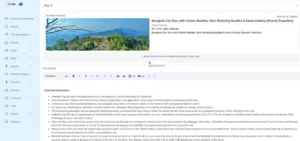
When travelers see a tour package that feels “pre-made” and generic, commitment drops. But when a tour includes customization options, such as choice of excursions, room types, or pacing, customers feel in control of their trip.
This principle of tour package customization increases perceived autonomy, which psychology has shown to be a strong driver of decision-making.
Practical Customization Features That Increase Bookings
- Choice of activity tiers (standard vs premium).
- Optional add-ons (meals, upgrades, private tours).
- Multiple pricing options with transparent cost breakdowns.
- Dynamic packages that adapt based on travelers’ choices.
Customization platforms also provide data back to your sales team, helping tailor communication and offer targeted upsells.
Best Practices for Presenting Itineraries That Convert
Simply creating an itinerary is not enough; how you present it can make all the difference.
Here are conversion-focused best practices:
- Design for Quick Scanning
Most online users scan pages rather than read every word. Use clear headings, bulleted details, and visual highlights.
- Include Rich Imagery & Visuals
Images of destination highlights, beaches, local markets, and landmarks help users emotionally connect with the trip.
- Day-by-Day Breakdowns
Short, digestible daily segments help travelers understand the rhythm and value of the experience.
- Strategic CTAs
Include ‘Book Now’ or ‘Inquire’ buttons throughout the itinerary, not just at the bottom, to boost conversions.
- Mobile-First Presentation
With most searches and bookings occurring on mobile devices, itineraries must be responsive, fast-loading, and easy to navigate.
Measuring the Impact: Metrics That Matter
Conversion doesn’t happen in a vacuum; you need measurable data to refine and improve.
Key metrics to monitor:
- Itinerary view-to-booking rate
- Click-through rates on integrated CTAs
- Average time spent on the itinerary page
- Bounce rates from itinerary pages
- Conversion rate of custom vs generic itineraries
These analytics help you understand which presentations and formats perform best and where to optimize.
IV Trip’s Tour Package Module & Itinerary Strategy
As a travel agency software provider, IV Trip’s Tour Package Module integrates seamlessly into agency workflows, enabling the creation, promotion, and management of complete travel packages, including flights, hotels, transport, and sightseeing, all under your brand.
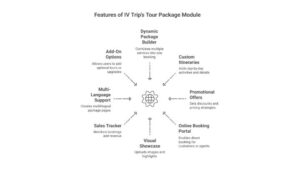
This module includes:
- Dynamic Package Builder: Combine multiple services into one booking.
- Custom Itineraries: Add day-by-day activities and details for a personalized traveler experience.
- Visual Showcase: Upload images, inclusions, and highlights to increase engagement.
- Promotional Offers: Set early-bird discounts, group rates, and seasonal pricing.
- Sales Tracker: Monitor bookings, inquiries, and revenue.
- Multi-Language Support: Create multilingual package pages for global audiences.
By using IV Trip’s itinerary and tour customization features to craft professional, interactive itineraries, agencies can significantly increase booking conversions, transforming interest into confirmed travelers.
👉 Learn more about how IV Trip’s online travel agency software supports your itinerary strategy
Common Mistakes Travel Agencies Make
Even well-intended itinerary pages can fall short if they overlook key elements:
- Too much text without visuals
- Static PDFs that feel outdated
- Lack of personalization for different traveler types
- No embedded booking links
- Mobile-unfriendly design
Avoiding these pitfalls can make the difference between a “good” itinerary and a conversion-optimized itinerary.
Travel itineraries are more than planning tools; they are conversion drivers. When designed thoughtfully, with personalization, clear visuals, and strategic calls to action, itineraries help transform curious travelers into committed bookers.
Ready to turn more browsers into bookers?
Contact Implevista to discover how IV Trip’s powerful travel agency software and tour package module can help you craft itineraries that sell. Visit the IV Trip Contact Page to get started.
Frequently Asked Questions (FAQs)
- What is a travel itinerary?
A travel itinerary is a detailed roadmap of a trip’s schedule, activities, accommodations, and logistics designed to guide travelers from departure to return. - How do custom travel itineraries improve bookings?
Custom itineraries reflect traveler preferences, increase relevance, and make the trip feel personal, which boosts confidence and conversion. - What role does mobile-friendly design play in itinerary effectiveness?
With most bookings occurring on mobile, responsive itineraries increase engagement and reduce bounce rates. - Can itineraries integrate with booking systems?
Yes, integrated itineraries can embed Book Now buttons directly to improve conversion flow. - What are itinerary automation tools?
These are software tools that help generate itineraries quickly, often using templates, dynamic pricing, and automated content feeds. - Does itinerary customization help with upselling?
Absolutely, customizable tours with optional add-ons often increase total transaction value. - How should I present images in my itinerary?
Use high-quality destination images with descriptive alt text to enhance emotional appeal and SEO. - Are dynamic itineraries better than static PDFs?
Yes, dynamic, online itineraries are more engaging, updatable, and interactive than static files. - How do I track itinerary performance?
Use analytics to monitor view-to-booking rates, click-through rates, and time on page. - What is the main goal of a travel itinerary page?
To increase traveler understanding, excitement, trust, and ultimately bookings through clarity and engagement.