

Complete Hajj Guide for Bangladeshi Pilgrims
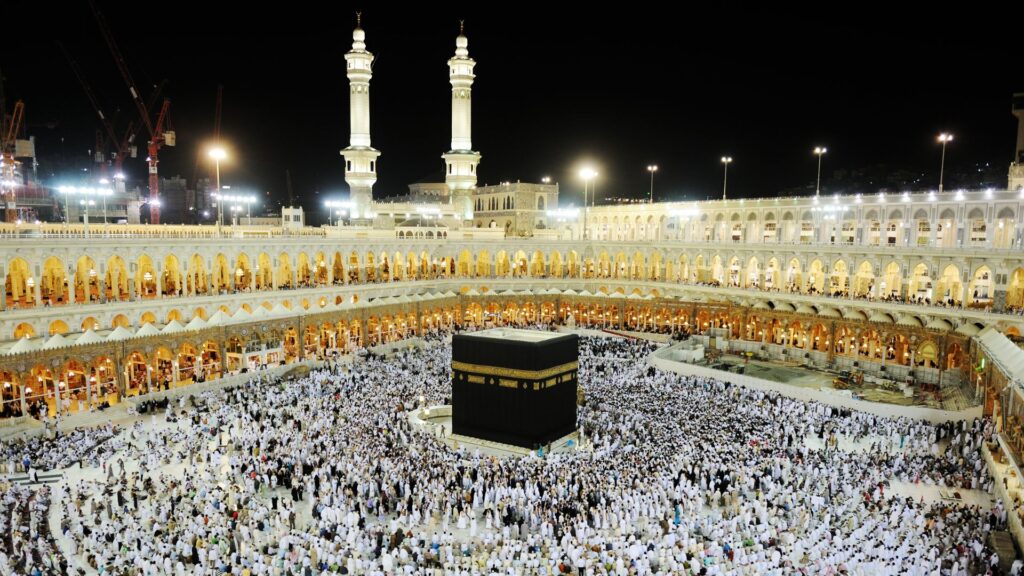
Hajj is a once-in-a-lifetime spiritual journey, and this complete Hajj guide helps pilgrims understand every step with ease and confidence.
Hajj is one of the five pillars of Islam and a once-in-a-lifetime obligation for every financially and physically able Muslim. For Bangladeshi pilgrims, performing Hajj is not only a spiritual journey but also a logistical one—requiring proper planning, documentation, guidance, and reliable travel support.
This comprehensive guide is designed to help Bangladeshi Muslims understand everything about Hajj—from preparation and rituals to travel tips, health guidelines, and choosing the right Hajj agency. Whether you are a first-time pilgrim or assisting family members, this article will serve as your complete Hajj roadmap.
What Is Hajj?
Hajj is the annual Islamic pilgrimage to Makkah, Saudi Arabia, performed during the Islamic month of Dhul Hijjah. It commemorates the sacrifices and devotion of Prophet Ibrahim (AS), his wife Hajar (RA), and his son Ismail (AS). Every Muslim who meets the conditions must perform Hajj at least once in their lifetime.
Hajj is not just a physical journey—it is a spiritual rebirth, a purification of the soul, and an opportunity for complete submission to Allah.
Who Must Perform Hajj?
Hajj becomes obligatory for Muslims who meet the following conditions:
- Must be Muslim
- Must be mentally and physically capable
- Must have sufficient financial means
- Must be able to travel safely
- Must not have outstanding debts preventing travel
For Bangladeshi Muslims, this also includes:
- Being selected through the official Hajj quota system
- Completing registration via government-approved Hajj agencies
Types of Hajj
There are three types of Hajj, and Bangladeshi pilgrims usually perform one of the following:
1. Hajj Tamattu
- Perform Umrah first
- Exit Ihram
- Enter Ihram again for Hajj
- Most popular and recommended for Bangladeshi pilgrims
2. Hajj Qiran
- Perform Umrah and Hajj together in one Ihram
- Requires sacrifice (Qurbani)
3. Hajj Ifrad
- Perform only Hajj
- No Umrah
- No sacrifice required
Hajj Quota and Registration Process in Bangladesh
Each year, Saudi Arabia allocates a specific Hajj quota for Bangladesh, which is administered by the Ministry of Islamic Affairs, Endowments, and Guidance. Following a trusted Hajj guide helps pilgrims understand the formal registration process and prepare all required documents well in advance, ensuring a smooth and secure pilgrimage.
Registration Process
- Register with an approved agency: A reliable Hajj guide always recommends choosing a government-authorized Hajj agency to begin your application.
- Submit required documents: Provide all personal, identification, and travel documents.
- Pay registration fees: Complete payment to confirm your application.
- Await quota selection: Wait for official confirmation under the national quota system.
- Complete biometrics and visa: Finalize biometric data and receive your Saudi visa.
Essential Documents for Bangladeshi Pilgrims
- Valid passport: Must be valid for at least six months from travel date.
- National ID card: Required for identity verification.
- Hajj registration confirmation: Proof of your official Hajj enrollment.
- Saudi visa: Authorization to enter Saudi Arabia for Hajj.
- Medical and vaccination certificates: Required for health and safety compliance.
- Mahram documentation: Mandatory for female pilgrims travelling with a guardian, as outlined in any official Hajj guide.
Physical, Mental & Spiritual Preparation
Physical Preparation
Begin regular walking or light exercise to build stamina, as Hajj involves long distances and extended standing. Practice wearing the Ihram in advance so you feel comfortable moving and performing rituals in it. Learning basic Arabic phrases can also help with communication, navigation, and understanding prayers during your journey.
Mental Preparation
Study the Hajj rituals thoroughly to perform each step correctly and with confidence. Prepare yourself mentally for large crowds, long waits, and changing schedules, which require calmness and flexibility. Developing patience, self-discipline, and a positive mindset will help you remain focused on worship despite physical or emotional challenges.
Spiritual Preparation
Increase your daily prayers, Quran recitation, and remembrance of Allah to strengthen your spiritual connection before Hajj. Make sincere repentance for past sins and, if needed, seek forgiveness from others. Renew and purify your intention (niyyah), ensuring that your Hajj is performed solely for the pleasure of Allah and not for status or recognition.
Ihram: Meaning, Rules & Restrictions
Ihram is both a physical garment and a spiritual state. For men, it consists of two white unstitched cloths. For women, it is modest regular clothing.
Prohibitions During Ihram:
- Cutting hair or nails
- Using perfume
- Engaging in marital relations
- Hunting animals
- Arguing or fighting
Ihram begins from the designated Miqat points before entering Makkah.
🕋 Hajj Rituals at a Glance: Step-by-Step Overview
| Stage | What Happens |
| Entering Ihram | Pilgrims wear Ihram garments at Miqat and declare their intention for Hajj. Certain actions, such as grooming, perfume use, and marital relations become restricted. |
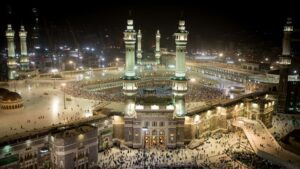
| Arrival in Makkah | Upon reaching Makkah, pilgrims perform Tawaf around the Kaaba followed by Sa’i between Safa and Marwah. |
| Overnight Stay in Mina (8th Dhul-Hijjah) | Pilgrims travel to Mina and spend the night in worship, reflection, and preparation. |
| Day at Arafat (9th Dhul-Hijjah) | The most important day of Hajj is when pilgrims remain at Arafat, offering prayers and supplications to Allah. |
| Night in Muzdalifah | After sunset, pilgrims move to Muzdalifah, offer combined prayers, gather pebbles, and rest under the open sky. |
| Stoning at Jamarat (10th Dhul-Hijjah) | Pilgrims throw pebbles at Jamrat al-Aqabah to symbolize resistance against Satan, followed by the sacrifice of an animal. |
| Hair Cutting (Tahallul) | Men shave or shorten their hair; women trim a small portion, allowing partial exit from the Ihram. |
| Tawaf al-Ifadah (10th–12th Dhul-Hijjah) | Pilgrims return to Makkah to perform Tawaf al-Ifadah and complete Sa’i if required. |
| Continued Stoning (11th–13th Dhul-Hijjah) | Over the following days, pilgrims stone all three Jamarat daily, with departure optional after the 12th. |
| Farewell Tawaf | Before leaving Makkah, pilgrims perform a final Tawaf as a respectful goodbye to the Sacred House. |
- On the 8th of Dhul Hijjah, pilgrims enter Ihram with the intention of performing Hajj and travel to Mina. There, they spend the day and night in prayer and reflection, performing the five daily prayers in shortened form as they prepare spiritually for the main rituals ahead.
- On the 9th of Dhul Hijjah, pilgrims travel from Mina to the plains of Arafat after Fajr prayer and remain there in worship, supplication, and remembrance of Allah. Standing at Arafat is the most essential pillar of Hajj. After sunset, they proceed to Muzdalifah, where they perform Maghrib and Isha together, collect pebbles for the stoning ritual, and spend the night under the open sky.
- On the 10th of Dhul Hijjah, pilgrims return to Mina to stone Jamrat al-Aqabah, symbolizing the rejection of Satan. They then perform Qurbani (sacrifice), shave or trim their hair, and exit the state of Ihram. Afterward, they travel to Makkah to perform Tawaf al-Ifadah around the Kaaba and complete Sa’i between Safa and Marwah.
- From the 11th to the 13th of Dhul Hijjah, pilgrims remain in Mina and perform the stoning of all three Jamarat each day—Jamrat al-Ula, Jamrat al-Wusta, and Jamrat al-Aqabah—throwing seven pebbles at each. Pilgrims may choose to leave after the 12th, while others stay an additional day.
- Before leaving Makkah, pilgrims perform Tawaf al-Wida, the farewell Tawaf, as their final act of worship. They pray two rakats, make heartfelt supplication, and depart with humility, gratitude, and renewed faith.
Health, Safety & Travel Tips
Health Tips:
- Stay hydrated: The heat in Saudi Arabia can be intense, especially during Hajj. Drink plenty of water throughout the day, even if you do not feel thirsty, to prevent dehydration. Carry a refillable water bottle at all times.
- Avoid heat exhaustion: Try to rest in shaded areas during peak sun hours, wear lightweight, breathable clothing, and avoid strenuous activities during the hottest parts of the day.
- Wear comfortable footwear: You will walk long distances over uneven terrain. Supportive, well-fitting shoes or sandals help prevent blisters and foot pain.
- Carry essential medications: Bring all prescription medicines in their original containers, along with basic over-the-counter remedies for headaches, digestive issues, or colds. Keep a small first-aid kit for emergencies.
Safety Tips:
- Always stay with your group: Hajj sites are crowded. Losing your group can be stressful and dangerous. Establish a meeting point in case anyone gets separated.
- Carry your ID at all times: Keep your Hajj visa, passport, and hotel information with you. Consider digital copies on your phone as backups.
- Use official transportation: Stick to authorized buses and taxis to avoid scams or unsafe rides. Avoid travelling alone in unfamiliar areas.
- Follow Saudi regulations: Be aware of local laws, cultural norms, and religious rules, such as modest dress codes and gender segregation in certain areas.
What to Pack for Hajj from Bangladesh
Essentials:
- Ihram garments: Men need two white sheets, while women should pack modest, comfortable clothing suitable for Ihram.
- Comfortable walking shoes: Shoes should be broken in to prevent blisters. Lightweight sandals are also useful for rituals.
- Umbrella or hat: Essential for protection against the intense sun during outdoor rituals.
- Refillable water bottle: Helps stay hydrated and reduces the need to buy bottled water constantly.
- Personal hygiene kit: Include items like wet wipes, hand sanitizer, sunscreen, and tissues.
- Prayer mat and Tasbih: While many sites provide prayer spaces, having your own mat and beads ensures comfort and convenience.
- Copies of documents: Keep multiple copies of your passport, visa, and Hajj registration in case originals are lost.
- Power bank: Ensures your phone stays charged for navigation, group coordination, and emergencies.
- Small backpack: A compact bag is useful for carrying water, snacks, medicines, and personal items while moving between rituals.
Tip: Avoid overpacking—carry only what is necessary. Excess baggage can make travel and rituals cumbersome.
Common Mistakes to Avoid
- Delaying registration: Hajj quotas are limited, and early registration ensures a smooth process and better accommodation options.
- Ignoring physical preparation: Hajj is physically demanding. Regular walking, light exercise, and stamina training help prevent exhaustion.
- Performing rituals incorrectly: Understanding the steps beforehand avoids mistakes that could cause stress or require repetition. Consult a knowledgeable Hajj guide or attend pre-Hajj classes.
- Losing group contact: Always have a plan for meeting points and keep your group’s contact numbers handy.
- Overexertion: Pace yourself during rituals. Rest when needed and listen to your body to avoid injuries or heat-related illnesses.
- Neglecting hydration: Dehydration can lead to serious health issues. Drink water regularly and avoid excessive caffeine or sugary drinks.
- Arguing or becoming impatient: Hajj involves long queues and large crowds. Patience, calmness, and mutual respect help maintain spiritual focus and a positive experience.
A knowledgeable Hajj guide or group leader can help prevent these mistakes, ensuring a safer, smoother, and more spiritually fulfilling pilgrimage.

Why IV Trip Is Best for Bangladesh Hajj Agencies
Choosing the right Hajj agency is one of the most important decisions a pilgrim makes. IV Trip stands out as a trusted, reliable, and professionally managed Hajj and Umrah service provider for Bangladeshi pilgrims.
Government-Approved & Trusted Partner
IV Trip works closely with authorized Saudi and Bangladeshi authorities to ensure all packages comply with official regulations.
Comprehensive Hajj Packages
IV Trip offers a wide range of Hajj packages:
- Economy
- Standard
- Premium
- VIP
Each package includes accommodation, transportation, meals, guidance, and support throughout the journey.
Expert Religious Guidance
IV Trip provides experienced Hajj guides (Muallims) and Islamic scholars who:
- Conduct pre-Hajj training sessions
- Explain rituals in Bangla
- Offer on-ground support during Hajj
Dedicated Support Team
IV Trip ensures 24/7 support:
- From Bangladesh departure to Saudi return
- On-site assistance in Makkah, Madinah, Mina, Arafat, and Muzdalifah
- Emergency medical coordination
Comfortable Accommodation & Transport
IV Trip prioritizes:
- proximity hotels near Haram
- Clean, air-conditioned tents in Mina
- Comfortable transport between holy sites
Transparent Pricing
No hidden charges. IV Trip provides clear cost breakdowns so pilgrims can plan confidently.
Special Care for Elderly & First-Time Pilgrims
IV Trip offers:
- Wheelchair support
- Extra assistance for seniors
- Group management for first-time travellers
Digital Convenience
Pilgrims can:
- Register online
- Receive digital updates
- Access itinerary and documents easily
With IV Trip, Bangladeshi pilgrims can focus on worship—while professionals handle logistics, safety, and comfort.
FAQs for Hajj guide for Bangladeshi Pilgrims
- When should I start the Hajj registration process in Bangladesh?
According to any reliable Hajj guide, registration typically opens months in advance through the Bangladesh Hajj and Umrah Directorate or authorized travel agencies. Early registration is recommended to secure a quota, better packages, and convenient travel dates. Delays may result in limited availability or higher costs. - What documents do I need to travel for Hajj from Bangladesh?
A practical Hajj guide recommends carrying a valid passport (with at least six months’ validity), a Hajj visa issued by Saudi authorities, vaccination certificates (including meningitis and COVID-19 if required), a Hajj registration receipt, and any medical prescriptions. Always keep multiple photocopies and digital backups of these documents. - How much luggage can I bring for Hajj from Bangladesh?
Most airlines allow 30–40 kg for checked baggage and 7–10 kg for carry-on, but this can vary by Hajj package. A smart Hajj guide suggests avoiding overpacking and bringing essentials such as Ihram garments, medicines, personal hygiene items, and a small backpack for daily use. - What vaccinations or health preparations are required for Hajj?
Pilgrims must have the meningococcal vaccination (required for visa) and may need COVID-19 or flu vaccines, depending on Saudi regulations. Every trusted Hajj guide also advises carrying medications for chronic conditions and preparing physically for long walks and crowded conditions. - How can I stay safe in the crowded Hajj sites?
Always stay with your group, note landmarks, and have a pre-agreed meeting point in case you get separated. Carry ID and emergency contacts, avoid wandering alone, and follow official announcements. A well-prepared Hajj guide emphasizes using official transportation to reduce the risk of scams or unsafe travel. - What should I pack for comfort during Hajj rituals?
Pack lightweight, breathable clothing, comfortable shoes, a refillable water bottle, sun protection (hat/umbrella), a prayer mat, Tasbih, small first-aid items, and a power bank. Keep your essentials in a small backpack for daily use. - How do I manage my meals during Hajj?
Most Hajj packages include meals, but it is advisable to carry light snacks, dates, and energy bars. Drink water regularly to stay hydrated. Be mindful of food hygiene to avoid stomach issues in crowded areas. - Can women travel alone for Hajj from Bangladesh?
Women must travel with a Mahram (male guardian) or in a group organized by authorized Hajj agencies, as per Saudi regulations. Check with your travel operator for group arrangements and female-specific accommodations. - What are the common mistakes Bangladeshi pilgrims should avoid?
Avoid delaying registration, ignoring physical preparation, performing rituals incorrectly, losing contact with your group, overexertion, neglecting hydration, and becoming impatient in crowded areas. Following an experienced Hajj guide helps prevent these mistakes. - How can I stay connected with my group or family during Hajj?
Use a local SIM card or international roaming for communication. Keep phones charged with power banks and agree on daily meeting points. Sharing your itinerary and hotel information with family helps ensure peace of mind and provides support in emergencies.
Final Thoughts
Hajj is a life-changing spiritual journey that requires preparation, patience, and devotion. For pilgrims, proper planning and choosing a reliable agency, such as IV Trip, ensures a safe, smooth, and spiritually fulfilling experience, and a trusted Hajj guide plays an important role in navigating every step with confidence.
By following a practical Hajj guide, understanding the rituals, and preparing physically and spiritually, you can focus on what truly matters—seeking forgiveness, strengthening faith, and returning home as a better Muslim.
Whether you are a new agent or an established tour operator, IV Trip helps you grow your Hajj business with confidence. Contact IV Trip for more information about the travel software.
May Allah accept your Hajj, forgive your sins, and grant you a safe and blessed journey. Ameen.