
Gamification in Tourism Software: Boost B2B Engagement
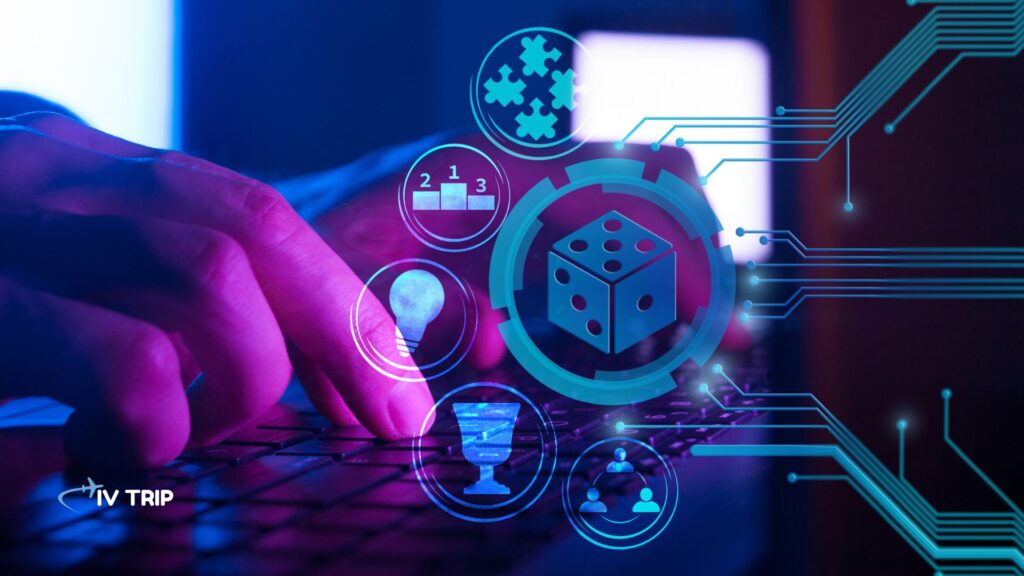
The travel industry is embracing new ways to engage customers and partners in an increasingly digital world. Gamification in tourism – the use of game-like elements (points, badges, leaderboards, rewards) in travel technology – has emerged as a powerful trend. By turning routine tasks into interactive experiences, travel platforms can significantly boost user participation and loyalty. For example, IV Trip’s travel agency software is designed to help agencies streamline operations and delight customers.
Integrating gamification in tourism can transform them from transactional tools into engaging experiences that keep clients and agents coming back. In this article, we explore how gamification strategies – from loyalty rewards to AI-driven personalization – can enhance B2B engagement in tourism software. We’ll cover best practices, travel marketing trends, and practical tips for travel agencies and software vendors.
What Is Gamification in Tourism?
Gamification applies game-design principles to non-game contexts. In tourism and travel software, gamification in tourism means adding elements such as challenges, scoreboards, and virtual rewards to platforms and websites. For example, a travel booking site might give points for writing reviews or badges for completing itineraries. Travel apps can offer puzzles or scavenger-hunt tasks at destinations. These mechanics leverage human motivations – such as competition, achievement, and curiosity – to make travel planning and exploration more enjoyable.
- Points and Rewards: Travelers earn points or “miles” for actions (booking trips, sharing content, referrals) that can be redeemed for discounts or perks. This encourages repeat use of the platform.
- Badges and Levels: Earning badges for milestones (such as visiting five new countries or booking 10 flights) creates a sense of achievement. Level-up systems motivate customers and even agency staff.
- Challenges and Quizzes: Fun quizzes about destinations or photo challenges at attractions engage users on a website or mobile app, keeping them on your platform longer.
- Leaderboards: Ranking top travelers or agents (e.g., most active travel agents using the software) taps into friendly competition. This is especially useful in a B2B context to motivate partner agencies.
By gamifying travel software, agencies and tour operators turn ordinary tasks into engaging quests. Gamification in tourism is not just for fun – studies show it can dramatically increase engagement. One analysis found that gamified campaigns boost engagement by 100–150% over traditional approaches. In tourism specifically, adding game-like experiences can make visits to attractions or interactions with a travel website memorable, thereby increasing visitor loyalty.

Benefits of Gamification in Tourism: Engagement and Loyalty
When done right, gamification delivers measurable business benefits for travel companies:
- Higher Visitor Engagement: Gamification makes travel content interactive. Visitors stay longer on gamified websites or apps and interact more. For example, museums and sites using gamified tours have reported that visitors are “able to enjoy the full experience… making the trip an unforgettable experience”. In digital channels, features like instant-win games, quizzes, and puzzles keep travelers exploring a site rather than bouncing away.
- Increased Customer Loyalty: Engaging experiences translate to loyal customers. Gamification in tourism can turn occasional visitors into repeat travelers. The Skywell Software guide notes that when customers enjoy a gamified experience (like an interactive museum tour), they are “much more likely to come back… and recommend it to friends”. In travel loyalty programs (airline miles, hotel points), adding game dynamics – tiers, badges, surprise rewards – makes the program feel fresh and fun. HubSpot highlights that “gamification in tourism transforms loyalty into a fun and engaging experience that encourages participation and fosters a sense of community.” This sense of community and reward keeps customers actively engaged with a brand.
- Stronger Brand Advocacy: Gamified elements encourage sharing. When travelers earn rewards or reach new levels, they’re more likely to share achievements on social media. This organic word-of-mouth amplifies brand visibility. For B2B travel vendors, if travel agents or partners are rewarded for promoting your platform, they become enthusiastic advocates.
- Driving Specific Behaviors: Gamification can nudge users toward desired actions. For instance, IV Trip could integrate a gamified sustainability challenge – awarding points when agents book eco-friendly hotels or flights. This not only boosts engagement but also promotes corporate social responsibility.
- Data and Insights: Gamified campaigns often require tracking user actions (points earned, badges unlocked). This gives travel businesses valuable first-party data on user preferences and behaviors. As Snipp reports, gamification can even enhance data collection and personalization efforts.
- Market Differentiation: The global gamification market is booming (projected to hit $74.17 billion by 2031), and 70% of large companies already use it as part of marketing. For travel companies, adopting gamification can set them apart in a crowded market. Innovative gamified features signal modernity and customer focus, helping to attract tech-savvy clients and partners.
Overall, gamification in tourism turns passive experiences into active, rewarding journeys. Whether it’s a travel booking platform or a tourism app, these techniques keep users engaged, connected, and motivated – which is especially valuable in B2B scenarios where building long-term partnerships is key.
Travel Gamification: User Engagement in Tourism Websites Strategies
A critical application of gamification is on travel websites and portals, where user engagement in tourism websites is essential. Interactive elements on a travel website can transform visitors into active participants:
- Interactive Quizzes and Surveys: Embedding destination quizzes (“What’s your ideal vacation?”) or trivia challenges not only entertains users but also collects preferences. For instance, a quiz could feed data into the site’s recommendation engine, while giving users a taste of personalized planning. It suggests such quizzes are excellent for growing email lists: “Interactive quizzes… help travel brands grow their contact databases.”
- Spin-to-Win and Instant Win Games: Simple games like a daily “spin the wheel” for a chance at a discount code or travel trivia can hook users. Each play requires an email signup or social media share, boosting your leads. According to Scratcher, spin wheels have “helped tourism brands gather more email addresses and followers by adding an element of surprise and fun.”
- Referral Contests: Encourage existing users or travel agents to refer others by turning it into a contest. For example, the agent who refers the most new clients in a month could earn bonus points or a VIP badge. This gamified referral system turns partners into brand ambassadors, accelerating growth.
- Progress Bars and Goals: Show users their progress toward rewards. On booking sites, display how close a user is to the next rewards level or a free upgrade. Visual progress bars (e.g., “Book 3 more nights to unlock 10% off next stay”) tap into motivation to complete goals.
- Leaderboards and Social Sharing: For corporate clients, a leaderboard of top-performing travel agents (based on booking volume or client satisfaction scores) can create friendly competition. Make it social by allowing agents to share their ranks or accomplishments on their LinkedIn profiles or internal forums – building recognition and community.
- Virtual Badges and Achievements: Award badges for completing milestones (e.g., “International Explorer” badge for first international flight booked). These can appear in user profiles or be emailed as congratulations. Gamified badges make travel achievements feel special. HubSpot highlights the value of even simple mechanics: “The use of simple game mechanics, such as leaderboards, tiers, and badges, can be enough to incentivize members to engage.”
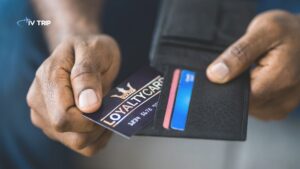
Loyalty Programs in Tourism: A Gamified Approach
Loyalty programs are essentially gamified campaigns by nature, and adding explicit game elements can make them even more compelling:
- Tiered Rewards: Most airlines and hotels offer tiered rewards (Silver, Gold, Platinum). Framing these as levels in a game – showing progress bars to the next tier – motivates members to earn points faster. Each tier can unlock badges or digital trophies.
- Gamified Flight & Hotel Miles: Airlines often run promotions like “earn double miles in March” or mini-challenges (“book a weekend trip to earn 500 bonus points”). These game-like promotions encourage travelers to engage more frequently.
- Digital Badges and Collectibles: Some travel programs now include collectible experiences (e.g., a badge for visiting all museums in a city, or a “constellation” of visited destinations). These artifacts can be shared on social media, increasing brand visibility.
- Mixed Reality Experiences: Although still emerging, some tourism apps use augmented reality (AR) games at destinations. For instance, museum apps might have an AR scavenger hunt, and participants earn loyalty points on their hotel stays or future travel credits.
- Partnership Challenges: Travel loyalty can extend to co-branded games. HubSpot describes how gamification can amplify loyalty: “Gamification transforms loyalty into a fun and engaging experience… encourages participation and fosters a sense of community.”.. For example, airline and hotel partners could run a joint “mileage quest” where miles in one program count toward levels in another.
AI Personalization in Travel Websites: Enhancing Gamification
AI is reshaping travel software by enabling personalized and adaptive gamification in tourism. By analyzing booking history, preferences, and user behavior, AI-powered platforms can deliver tailored recommendations, custom itineraries, and relevant challenges that resonate with individual travelers. This allows travel agents and B2B platforms to offer meaningful rewards—such as destination-based points or personalized loyalty goals—making gamified experiences more engaging and effective.
AI also enhances gamification through dynamic, generative content. From real-time quizzes and adaptive FAQs to AI-generated trip plans and promotional campaigns, travel platforms can respond instantly to user trends and interests. When combined, AI and gamification help B2B travel software providers drive higher engagement, improve conversion rates, and deliver personalized experiences at scale.
Travel Marketing Trends: Gamification in Tourism & Technology
Travel marketing is evolving rapidly, and gamification in tourism is at the forefront of industry trends. Two key trends illustrate this:
- Hyper-Personalization and AI: As noted in industry reports, travelers increasingly expect personalized experiences. Travel companies harness AI to personalize offers, and gamification in tourism extends that by making those offers interactive. Chatbots equipped with gamified scripts can reward users for their engagement, and AI-driven emails can utilize gamified subject lines (e.g., “You’ve unlocked a special deal!”). A 2025 HubSpot analysis emphasizes the importance of data-driven personalization (a trend that gamification leverages to deliver relevant challenges).
- Mobile and Social Gamified Experiences: Mobile travel apps are doubling down on gamification. Since over 75% of travel bookings will come from mobile by 2025, ensuring a responsive, gamified UX is essential. Travel brands are using location-based games (such as geocaching) that blend the physical and digital worlds. Social media campaigns now often include gamified content – Instagram filters that award discounts, or TikTok challenges tied to travel prizes. According to the Snipp analysis, “emerging technology such as AR, VR, and AI is enabling hyper-personalised engagement and real-time interactions.
IV Trip’s Solutions: Gamification in Travel Software
IV Trip offers a comprehensive travel agency management system that can support these gamification strategies. Built by Implevista, IV Trip bundles booking engines, CRM, marketing automation, and analytics into one platform. Here’s how IV Trip’s features align with gamification in tourism needs:
- Complete Travel Booking & CRM: IV Trip’s unified system handles flights, hotels, tours, and customer data. This centralization means gamification triggers (points for bookings, profile completions, reviews) can be tracked across channels. For example, agents who book a flight through IV Trip earn points in the gamified loyalty program because the system instantly records their actions.
- Customizable Packages Module: IV Trip’s Holiday Packages feature lets agencies create dynamic tour bundles. Gamification can be layered here: agencies could promote “tour quests” where customers unlock bonus points by adding certain attractions or making early bookings. The module’s flexibility means promotions and rewards can adjust to customer preferences.
- Marketing Automation: IV Trip includes email and social campaign tools. These can deliver gamified content automatically – e.g., sending “challenge” emails (“Book 3 more flights this month for a reward!”) or reminding users of their progress. Auto-triggered notifications keep users informed about their progress in the game.
- Real-Time Analytics: The dashboard provides insights into sales, occupancy, and customer behavior. Managers can see how gamification in tourism campaigns is performing (e.g., increased bookings and newsletter signups) and fine-tune it as needed. Being mobile-friendly, the platform lets agents and clients participate in gamified features on any device, ensuring high engagement.
- Local Support & Customization: IV Trip offers 24/7 local support and customizable modules. Agencies can tailor gamification rules to their niche (adventure travel vs. corporate trips) with Implevista’s assistance. This is one reason many consider IV Trip “the best travel agency software” in the area.
- Integration Capabilities: IV Trip’s APIs (to Sabre, Amadeus, etc ) and mobile app support mean gamified loyalty can extend into external systems (for example, linking with a corporate client portal or external mobile apps).
In short, IV Trip’s all-in-one platform is well-suited for gamification in tourism initiatives. Travel agencies looking to enhance B2B engagement can rely on IV Trip to handle the heavy lifting of integration and data management while easily incorporating game mechanics. (For a detailed feature overview, see IV Trip’s Features page.)
Measuring Success and ROI
To justify gamification in tourism investments, travel companies should track clear metrics:
- Engagement Rates: Monitor how user interactions change over time. Are users completing more bookings, surveys, or app sessions after gamification? Snipp research shows that gamification in tourism can double engagement, so look for significant lifts over benchmarks.
- Repeat Usage: Measure how often customers and agents return. Increased repeat bookings or logins indicate that gamification loops are working.
- Conversion and Revenue: Check if sales conversions rise. For example, if a points-based promotion was active, did bookings increase in that period? Travel software with built-in analytics (like IV Trip) can link gamified campaigns to revenue.
- Loyalty and Retention: For loyalty programs, track membership growth and redemption rates. A successful gamification should raise the number of active loyalty members and the frequency of reward redemptions.
- Customer Feedback: Use surveys to gather user sentiment. Gamification should make the experience more enjoyable – high satisfaction ratings or positive testimonials (like IV Trip’s clients saying automation “helps your team perform better and serve customers faster”) validate the approach.
- Operational Efficiency: In B2B, one benefit is often internal: track whether staff or partners are engaging more with the system and require less training. Gamification in tourism (e.g., training quizzes for agents) can be measured by improved onboarding speed and fewer errors.
Gamification in tourism software is a smart strategy for travel businesses to deepen engagement with clients, partners, and employees. By incorporating game elements – from loyalty points and badges to AI-driven challenges – travel platforms become more engaging, rewarding, and memorable. Whether it’s a travel agency motivating agents through leaderboards or a booking site rewarding customers with badges, the result is stronger relationships and enhanced loyalty. Importantly, modern travel solutions like IV Trip provide the foundation to implement these tactics effectively.
Ready to engage your clients and partners with gamification in tourism? Contact IV Trip‘s solutions in action, or subscribe to our blog for more travel technology tips!
FAQ: Gamification in Tourism
What is gamification in tourism?
Gamification in tourism means adding game-like elements (points, challenges, rewards) to travel platforms and experiences. For example, a travel booking website might award badges for completed bookings or run trivia games about destinations. This approach uses incentives to make travel planning more engaging.
How does gamification in tourism improve engagement on travel websites?
Gamification in tourism turns passive browsing into interactive fun. Visitors who earn points, unlock achievements, or compete on leaderboards spend more time on the site and participate more. Studies show that gamification can increase engagement by 100–150%. On travel sites, this means higher clicks, more bookings, and a larger email/contact database from game-driven campaigns.
What are examples of gamification in travel loyalty programs?
Many airline and hotel loyalty programs are inherently gamified. Common examples include earning miles/points for trips (with tier levels like Silver/Gold), receiving badges for completing travel “challenges” (e.g., visiting multiple destinations), and special contests (e.g., monthly raffles for bonus points). A notable example is BILT Rewards (residential loyalty), which uses a monthly “game show” to let members win extra rent points. Travel companies use similar ideas, e.g., spin-to-win for bonus points or puzzles that unlock exclusive deals.
Why are loyalty programs important in tourism?
Loyalty programs reward repeat customers, encouraging them to book again. In tourism, loyal travelers spend more over time and often refer friends. Gamifying loyalty programs makes them more engaging, increasing participation. As a HubSpot guide notes, “loyal customers deserve to be rewarded, and when you reward them well, it begets even more loyalty.” Gamification adds the “fun” to those rewards.
How can travel agencies use gamification with B2B clients?
Travel agencies can gamify B2B relationships by creating partner reward programs. For example, points or commissions can be awarded to partner agents or corporate clients for reaching booking targets. Leaderboards among agency branches, badges for certification courses, and gamified training modules are effective. Embedding these features into agency software (such as IV Trip) engages partners and improves loyalty.
What are the latest travel marketing trends related to gamification?
Current trends include personalization and mobile gamified experiences. AI-driven personalization is big: travel companies use AI to tailor offers (e.g., customized itineraries), and gamification makes those offers interactive. Also, as mobile usage dominates travel bookings, travel brands are adding mobile games and AR experiences (geolocation challenges, social media travel challenges) to marketing campaigns. Integrating social media with gamified content (hashtags, filters, online contests) is another trend.
How does AI personalization enhance travel websites?
AI personalization analyzes user data (past trips, search history) to offer tailored recommendations. For example, an AI system might highlight beach destinations to someone who has booked beach vacations in the past. This makes users feel understood. Combined with gamification, AI can trigger relevant rewards: a chatbot might suggest a badge for a travel habit it recognizes. McKinsey reports companies excelling in personalization can see up to 40% higher revenue, showing its effectiveness.
What are loyalty programs in tourism?
Loyalty programs in tourism are structured reward systems used by airlines, hotels, and travel agencies to encourage repeat business. Members earn points or miles for trips and redeem them for free flights, upgrades, or discounts. Modern programs often integrate gamification: tiers, bonus challenges, and surprise gifts to keep members engaged over time.
How do I implement gamification in my travel software?
Start by setting clear goals (increase repeat bookings, boost referrals, etc.). Choose simple gamification elements like points, badges, or progress bars aligned with those goals. Ensure these elements fit naturally into your booking or CRM system. For example, award points automatically for confirmed bookings and let users track their progress on their profile. Test with users, measure engagement uplift, and adjust mechanics. Travel software like IV Trip offers features (such as analytics and a mobile app) that support the creation of these gamified loops.
Where can I learn more about IV Trip and travel tech?
You can explore IV Trip’s travel software features and blog for insights. IV Trip offers OTA booking, CRM, and automation for travel agencies. Check out the IV Trip Blog for articles on travel technology trends (AI, automation) and service pages describing their modules. For specific queries, contact Implevista to see demos or request a consultation on travel gamification solutions.